
Buying tech in the USA can feel exciting and confusing at the same time. There are endless options, constant new launches, big discounts, and a lot of hype around “must-have” gadgets. Over time, after using and observing many popular tech products in daily life, I realized one important thing—not everything that is trending is actually worth buying. This blog is based completely on my personal experience and honest observations of using tech products in the USA, focusing on what truly adds value to everyday life.
How I Started Being More Careful with Tech Purchases
Earlier, I used to get attracted by specifications, influencer reviews, and big brand names. If something was popular, I felt I needed it. But after a few disappointing purchases, I learned to slow down and ask myself one simple question: Will this actually improve my daily routine?
Living in the USA, access to tech is easy. You can buy gadgets online or in stores within minutes. But convenience can also lead to unnecessary spending. That’s when I decided to focus on real-life usability instead of marketing promises.
Smartphones: Worth Upgrading or Not?
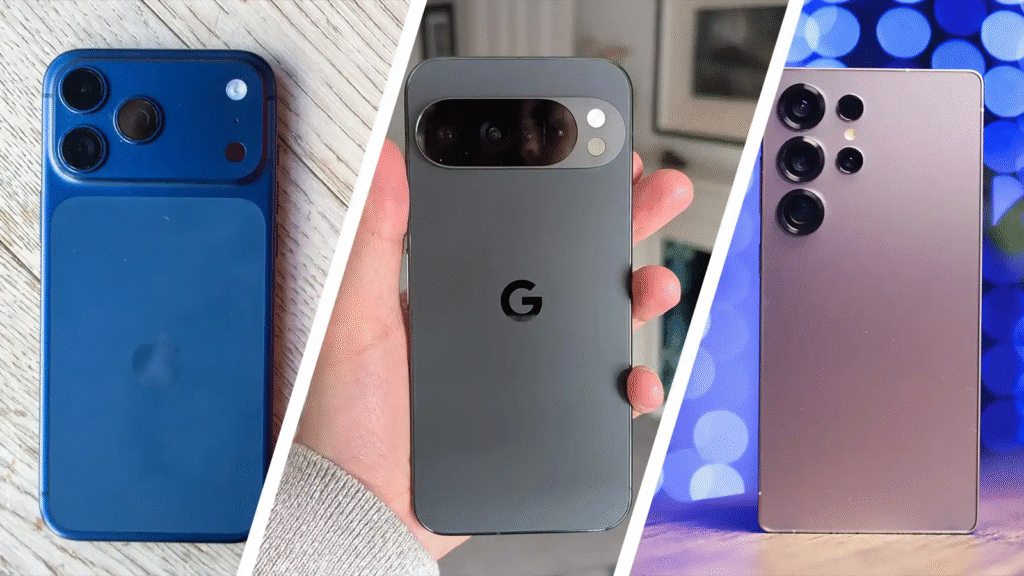
Smartphones are one of the most common tech purchases in the USA. Every year, new models launch with slightly better cameras or faster processors. From my experience, upgrading every year is rarely necessary.
What I found worth buying is a phone that offers good battery life, reliable performance, and long-term software updates. Mid-range phones often perform just as well for daily use as flagship models. Unless photography or gaming is your main priority, spending extra money doesn’t always make sense.
For me, a phone that lasts the whole day without charging and doesn’t lag during normal use is more valuable than having the latest model.
Laptops: Practical Over Powerful
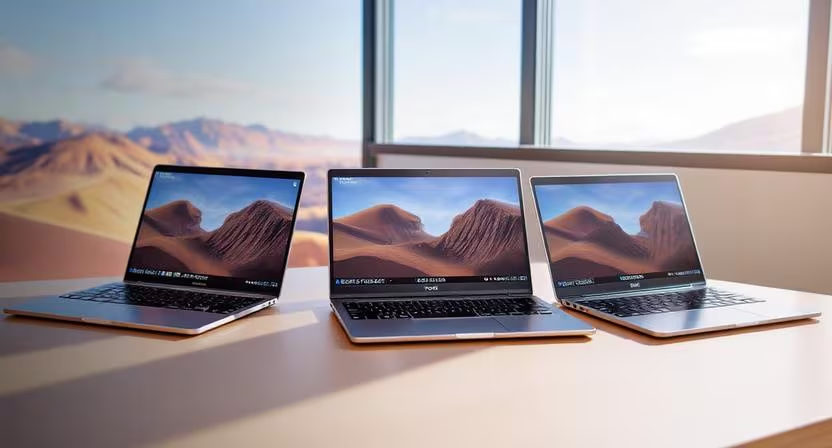
In the USA, laptops are used for everything—work, study, entertainment, and even side hustles. I noticed that many people overbuy laptops with high specifications that they never fully use.
From personal use, what really matters is comfort, battery life, and reliability. A lightweight laptop with a good keyboard and long battery life is far more useful than a heavy machine with extreme power.
If your work involves writing, browsing, video calls, or light editing, you don’t need the most expensive laptop. Choosing a model that fits your actual needs saves money and frustration.
Smart Home Devices: Convenience with Limits
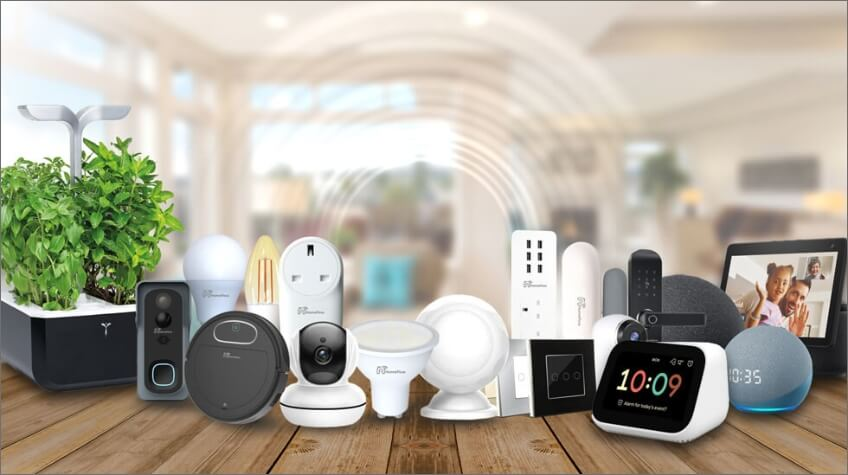
Smart home devices are very popular in the USA. Smart speakers, lights, plugs, and cameras are everywhere. I tried a few of these, and my honest opinion is mixed.
Smart lights and plugs are genuinely useful. They save time and make daily routines easier. But some devices feel unnecessary. Not everything needs to be “smart.”
What I learned is to start small. Try one or two devices and see if they actually help. Buying too many smart gadgets at once can become overwhelming instead of convenient.
Wearable Tech: Only Worth It If You Use It
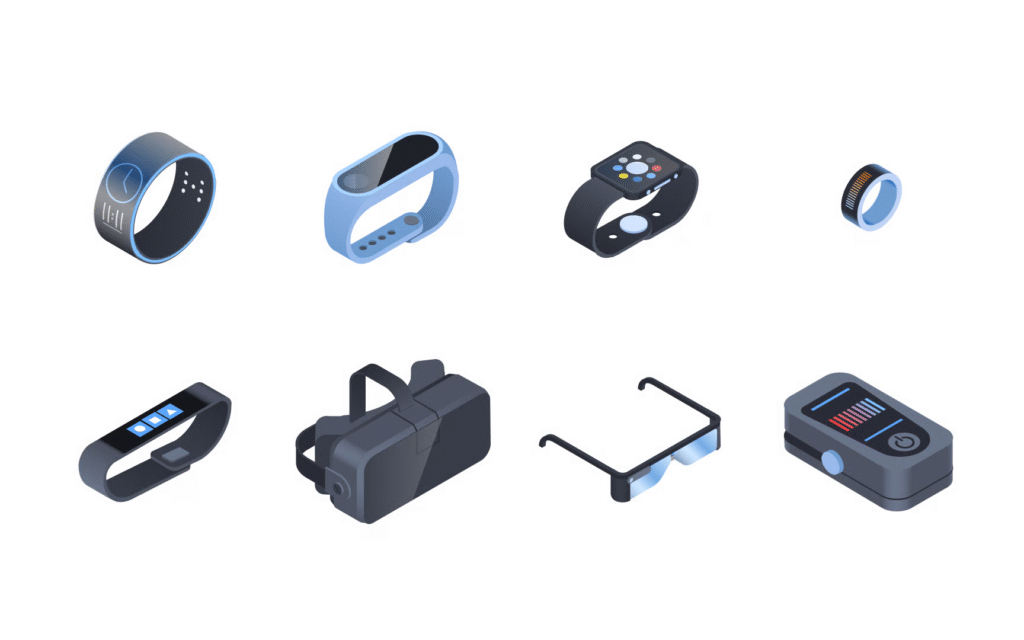
Smartwatches and fitness trackers are another big trend. I’ve used one for a long time, and I feel wearables are worth buying only if you enjoy tracking your health.
If you already exercise, walk regularly, or want reminders to move, wearables can be motivating. But if you don’t like checking stats, the excitement fades quickly.
From my experience, simple models work just as well as expensive ones. Step count, heart rate, and sleep tracking are usually enough for daily awareness.
Audio Gadgets: Where Spending a Bit More Makes Sense
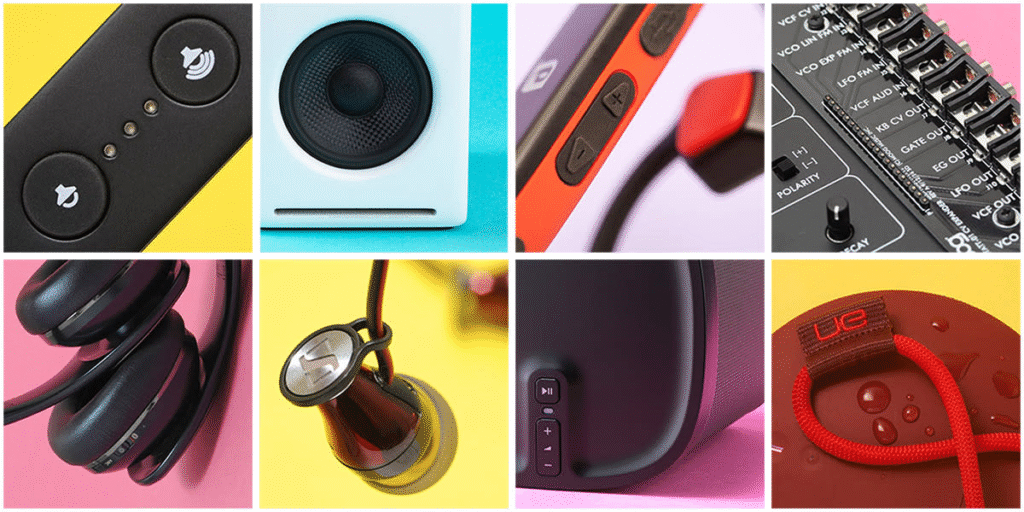
Headphones and earbuds are one category where I feel quality really matters. Cheap audio devices may work, but comfort and sound quality are often poor.
I invested in a good pair of noise-canceling headphones, and it was absolutely worth it. Whether it’s traveling, working, or relaxing, good audio makes a big difference.
This is one area where I believe spending slightly more gives long-term satisfaction.
Tablets and Accessories: Buy Only If Needed

Tablets are popular in the USA, but I personally feel they are not essential for everyone. If you already have a phone and a laptop, a tablet can feel redundant.
However, accessories like a good charger, power bank, or external keyboard are underrated. These small purchases often improve daily life more than buying a new device.
Smart tech buying is not always about big gadgets—it’s about useful additions.
What I Stopped Buying (And Why)
Over time, I stopped buying tech just because it was trending. I stopped chasing upgrades and focused on value and durability.
Some gadgets look exciting but end up unused in a drawer. I learned that if a product doesn’t solve a real problem, it’s probably not worth buying.
How I Decide What’s Worth Buying Now
Now, before buying any tech product, I ask myself:
- Will I use this daily or weekly?
- Does it simplify my life?
- Is there a cheaper alternative?
- Will it still be useful after six months?
If the answer is yes, I go for it. If not, I wait.
Final Thoughts
Tech in the USA offers amazing options, but smart buying comes from understanding your own needs. From my personal experience, the best tech purchases are the ones that quietly support your routine without demanding attention.
What’s actually worth buying is not the most expensive or the most popular gadget—it’s the one that fits naturally into your life.
Honest tech choices have saved me money, reduced clutter, and made my daily routine smoother. And honestly, that feels far more satisfying than owning the latest device.
This blog is based on personal experience and honest opinions. Product preferences may vary from person to person. The information shared here is for general awareness only and should not be considered professional or technical advice.
#HonestTechReviews #USATech #TechLifestyle #SmartTechChoices #EverydayTechnology #TechBuyingGuide #TechReviewsUSA #GadgetReviews #TechExperience #RealUserReview #TechWorthBuying #DigitalLifestyle #ModernLiving #SmartPurchases #TechTips #Carrerbook #Anslation