
Skincare has always been a learning journey for me, especially living in Canada where the weather keeps changing throughout the year. Dry winters, windy days, indoor heating, and sometimes humid summers—all of this affects the skin more than we realise. For a long time, I relied only on my hands to cleanse my face, but after dealing with dullness and clogged pores, I decided to try face cleansing brushes.
That’s when I got confused between electric face cleansing brushes and manual face cleansing brushes. I’ve used both over time, and in this blog, I’m sharing my real, personal experience to help you decide what works better for Canadian skin and lifestyle.
This is not about promoting a product. It’s about what I honestly felt after using both options in everyday life.
Why I Started Using Face Cleansing Brushes
Like many people, I thought face wash alone was enough. But after wearing sunscreen daily (which is very important in Canada, even in winter), I noticed that my skin didn’t always feel fully clean. I also struggled with occasional breakouts and rough texture.
That’s when I started looking into cleansing brushes to improve my cleansing routine without making it too harsh.
What Are Manual Face Cleansing Brushes?

Manual face cleansing brushes are simple tools. They don’t need batteries or charging. You just use them with your cleanser and gently massage your face.
My Experience With Manual Brushes
I started with a manual silicone cleansing brush because it felt safer and more affordable. What I liked immediately was how gentle it felt. During cold Canadian winters, my skin gets dry and sensitive, and this brush didn’t irritate it at all.
What I personally liked:
- Very gentle on the skin
- Easy to control pressure
- Affordable and easily available in Canada
- No charging or batteries needed
- Easy to clean and travel-friendly
I used it mostly in the evening to remove sunscreen and light makeup. It helped improve my skin texture slowly, without causing redness.
However, I did notice that it required a bit more effort. On busy days, I sometimes skipped it because it felt like extra work.
What Are Electric Face Cleansing Brushes?
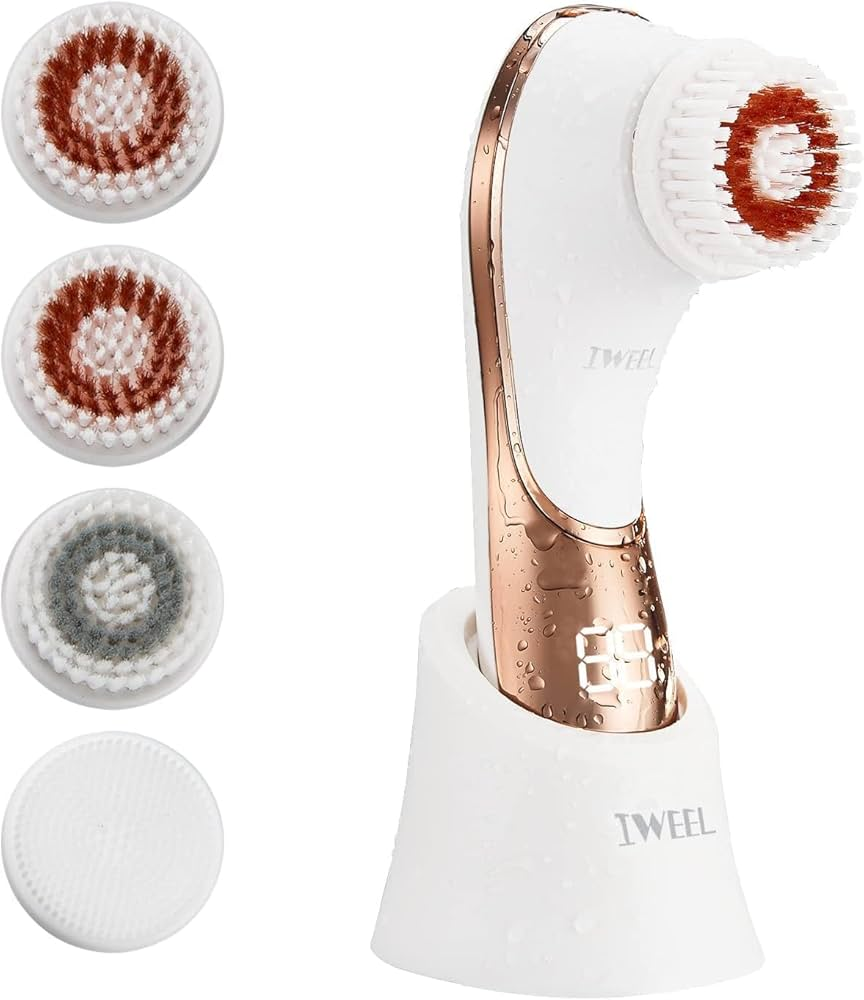
Electric cleansing brushes use vibration or rotation to clean the skin. Many come with different speed modes and brush heads.
My Experience With Electric Brushes
Later, I tried an electric face cleansing brush, thinking it would make my routine faster and more effective. And honestly, it did feel more powerful.
In summers or during times when my skin felt congested, the electric brush gave a deeper clean. My skin felt smoother instantly, and makeup applied better the next day.
What I personally liked:
- Deeper and quicker cleansing
- Helpful for clogged pores and oily skin days
- Less manual effort
- Makes skin feel very smooth after use
But there were downsides too.
During winter, when my skin was already dry due to cold weather and indoor heating, using an electric brush too often made my skin feel tight. I had to reduce usage to avoid irritation.
Electric vs Manual: Key Differences I Noticed
1. Gentleness
Manual brushes are definitely gentler. For sensitive or dry skin (very common in Canada), they feel safer for regular use.
Electric brushes are stronger and need careful use. Too much pressure or frequent use can damage the skin barrier.
2. Skin Type Matters

- Dry or sensitive skin: Manual brush worked better for me
- Oily or combination skin: Electric brush was more effective
Since my skin changes with seasons, I realized there’s no one-size-fits-all answer.
3. Weather & Climate Impact
Canadian winters are harsh. During those months, I preferred manual brushes 100%. In summer or humid weather, electric brushes felt more helpful.
4. Time & Convenience
Electric brushes save time. On busy mornings, they felt effortless. Manual brushes need a bit more time and patience.
5. Maintenance
Manual brushes are easier to clean and maintain. Electric brushes need charging, replacement heads, and more care.
How I Use Them Now (My Honest Routine)
Instead of choosing just one, I learned to use both wisely.
- Winter: Manual cleansing brush (2–3 times a week)
- Summer: Electric cleansing brush (1–2 times a week)
- Daily cleansing: Hands only, with a gentle cleanser
This balanced approach helped protect my skin barrier while still keeping my skin clean.
Common Mistakes I Made (So You Don’t Have To)
- Using the electric brush too often
- Applying too much pressure
- Using brushes with harsh cleansers
- Not moisturizing properly afterward
Once I corrected these mistakes, my skin improved significantly.
Which One Is Better for Canadians?
From my personal experience, manual face cleansing brushes are better for most Canadians, especially during long winters when skin is dry and sensitive. Electric brushes are great, but they should be used carefully and occasionally, depending on skin type and season. If you’re new to cleansing brushes, I would suggest starting with a manual brush. It’s gentle, affordable, and safer for regular use.
Final Thoughts
Living in Canada taught me that skincare needs to adapt with weather and lifestyle. Both electric and manual face cleansing brushes have their place, but listening to your skin matters more than following trends. Cleansing should never feel harsh or uncomfortable. Whether you choose electric or manual, use it gently, don’t overdo it, and always follow up with a good moisturizer. Healthy skin comes from balance, not extremes.
This blog post is based on my personal experience and is meant for informational purposes only. Skincare results may vary from person to person depending on skin type and climate. Please consult a skincare professional before introducing new tools or products into your routine.
#SkincareCanada #CanadianSkincare #FaceCleansingBrush #ElectricVsManual #SkincareRoutineCanada #SensitiveSkinCare #WinterSkincareCanada #HealthySkinHabits #SkincareTips #SkincareExperience#BeautyInCanada #GentleSkincare #Carrerbook #Anslation