
I went into God of War Ragnarök expecting intense combat, epic boss fights, and stunning visuals. What I didn’t expect was how deeply the story would stay with me long after I put the controller down. This isn’t just a game you play—it’s a journey you feel. From the very first hours, I realized that Ragnarök is less about gods and monsters and more about relationships, choices, and growth.
A Story That Feels Personal, Not Just Epic
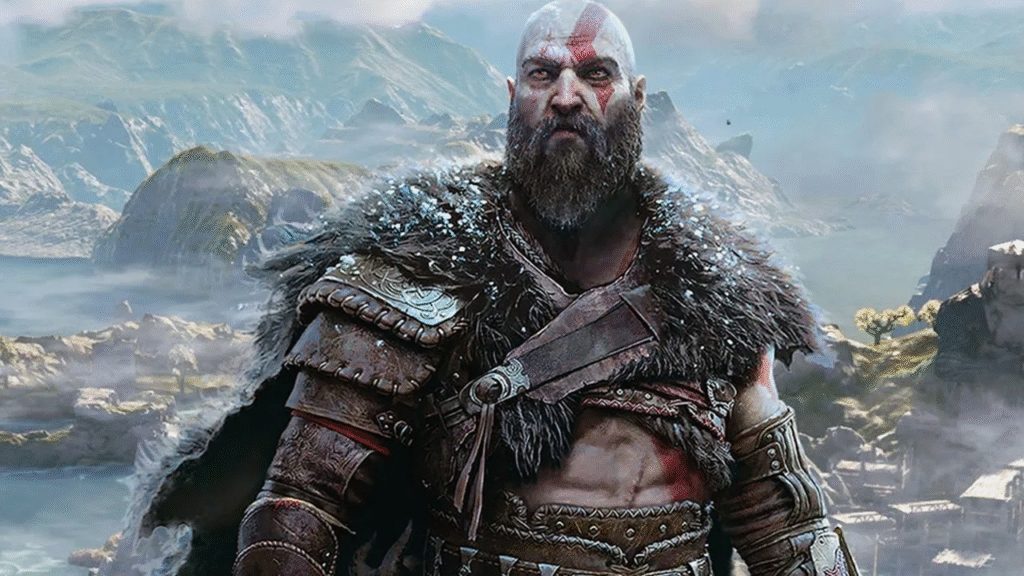
What struck me most was how personal the narrative feels. At its core, the game is about a father and a son trying to understand each other in a world that’s literally ending. As someone who’s watched relationships evolve over time—especially between parents and children—the emotional tension felt incredibly real. The conversations between Kratos and Atreus aren’t just filler dialogue; they reflect confusion, fear, love, and the struggle of letting go.
Kratos isn’t the rage-filled god I remembered from earlier games. He’s quieter, more thoughtful, and clearly trying to be better—for his son. That transformation alone adds a powerful emotional layer to the story.
Atreus Brings a Fresh Emotional Perspective
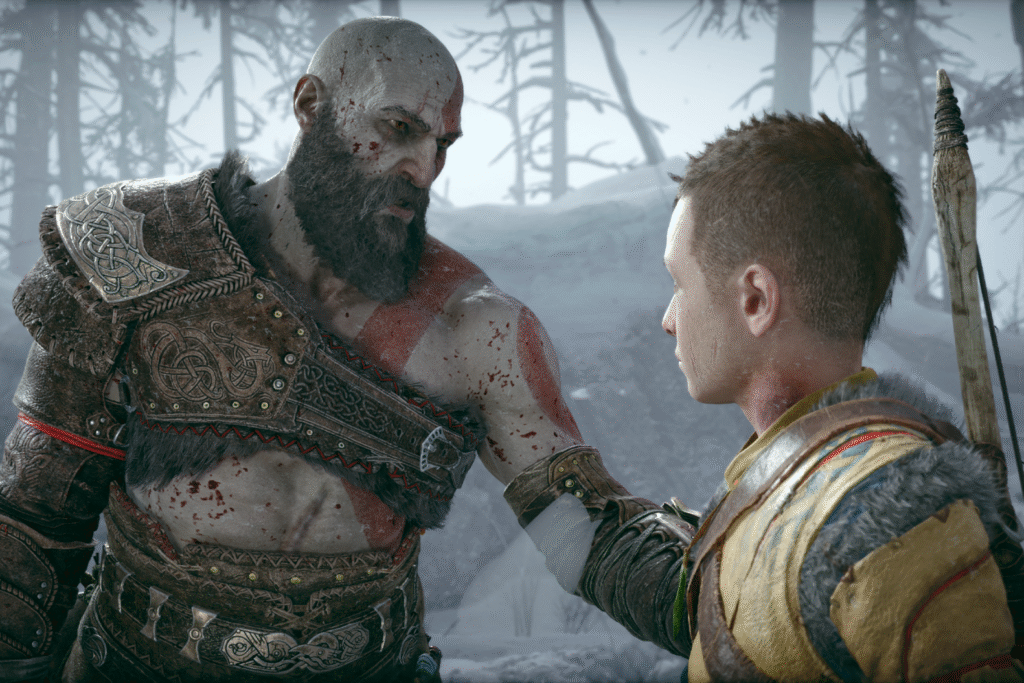
Playing through Atreus’s journey felt especially meaningful. His curiosity about destiny, identity, and freedom mirrors what many of us feel when we’re trying to find our own path. I found myself empathizing with his need to question everything, even when it caused friction.
This push-and-pull between Kratos wanting to protect and Atreus wanting to explore makes the story feel authentic. It reminded me that growth often comes from uncomfortable conversations and difficult choices.
Storytelling Through Small Moments
One thing I truly appreciated was how the game tells its story through small, quiet moments—not just big cinematic scenes. Simple boat conversations, campfire dialogues, and reflective pauses made the world feel alive. These moments gave me time to breathe, think, and connect emotionally with the characters.
It’s rare for a game to trust the player enough to slow down and let emotions settle, but Ragnarök does exactly that.
A World That Feels Heavy With Meaning
Every realm in the game feels purposeful. The environments aren’t just beautiful; they tell stories of loss, hope, and survival. Exploring these worlds didn’t feel like completing objectives—it felt like uncovering memories.
Even side quests surprised me. Some of them carried emotional weight that rivaled main story moments, which made the world feel deeply connected and thoughtfully written.
Combat That Supports the Story, Not Distracts From It
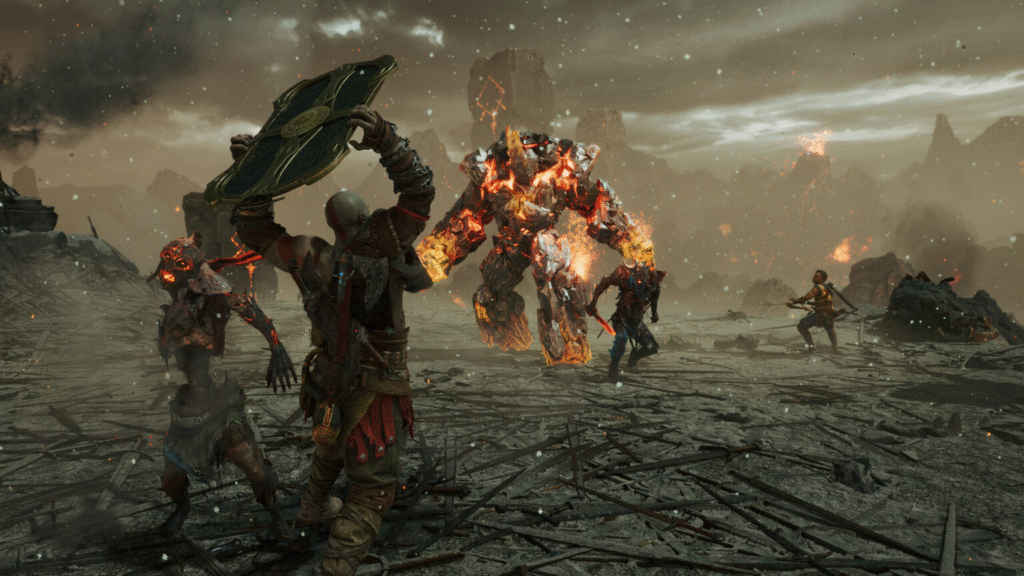
While the combat is intense and satisfying, what impressed me most is how it supports the narrative. Battles feel like emotional releases rather than repetitive tasks. When Kratos fights, it’s not just about power—it’s about restraint, control, and sometimes fear.
The gameplay never overshadows the story; instead, it enhances it.
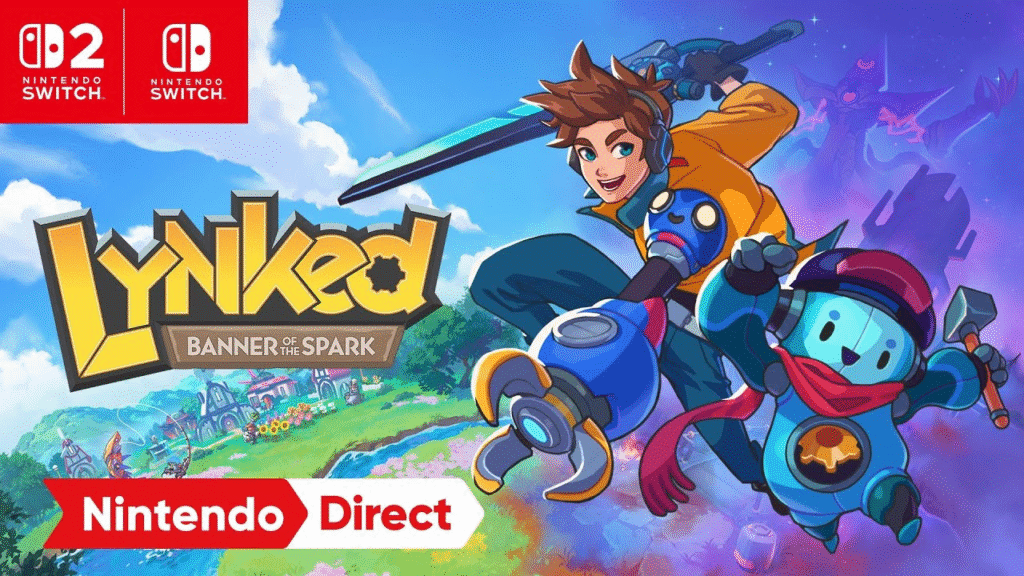
Nintendo Direct Latest Updates: New Games, Trailers & Fan Reactions Explained
Read More Nintendo Direct has once again captured the attention of the global gaming community…
ChatGPT Down Worldwide: A Detailed Timeline of the Recent Outage
OpenAI’s official status page When ChatGPT suddenly stopped responding for users across the globe, the internet…

Why McNugget Caviar Kits Are the Weirdest—and Smartest—Food Trend Right Now
At first glance, the idea sounds almost ridiculous. McDonald’s chicken nuggets paired with “caviar”? It…

A Game That Respects Emotional Intelligence
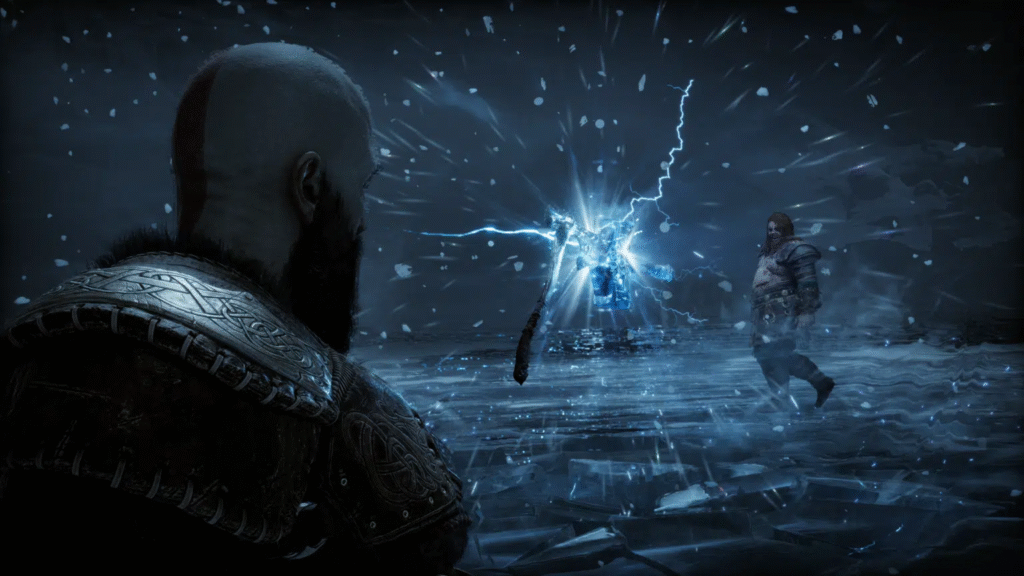
What makes God of War Ragnarök stand out for me is that it respects the player’s emotional intelligence. It doesn’t over-explain or force feelings. It lets you interpret, reflect, and connect in your own way. That’s rare in modern gaming, where spectacle often takes priority over substance.
This game made me pause, reflect, and even question certain choices—something I didn’t expect from an action-adventure title.
Final Thought
God of War Ragnarök proves that video games can tell stories as powerful as films or books, blending emotion, gameplay, and character growth into an unforgettable experience.
Disclaimer
This blog is based on personal gameplay experience and subjective interpretation.
Hashtags
#GodOfWarRagnarok #StoryDrivenGames #GamingExperience #EmotionalStorytelling #ActionAdventureGames #ModernGaming #Carrerbook #Anslation