
Most of us grab a face wash, use it every morning or night, and never think about it again. Then one day your skin feels tight, or looks oily by noon, or you’re getting breakouts you can’t explain. That’s usually when you look at the bottle on your shelf and wonder if it was ever the right one.
It’s easy to end up with the wrong one. Walk into a beauty store or open any shopping app and you’ll see hundreds of options. Some are for oily skin, some promise “deep cleansing,” and some are all about hydration or acne. Every brand sounds convincing. But the cleanser your friend swears by might do nothing for you, or make things worse.
Picking a good face wash has less to do with trends and more to do with knowing what your skin needs. Someone with oily skin might love a light gel, while someone with dry skin will probably be happier with a soft, creamy formula.
Skincare in 2026 is more ingredient-focused, so it’s easier than ever to compare products before you buy. Still, the basics haven’t changed: know your skin type, read the label, and go for something gentle.
1. Know Your Skin Type First
1. Oily Skin
Recommended: Minimalist 2% Salicylic Acid Cleanser
Helps cleanse oily skin and remove excess oil and pore buildup.
2. Dry Skin
Recommended: Cetaphil Gentle Skin Cleanser
A mild cleanser suitable for everyday cleansing without a harsh, stripped feeling.
3. Sensitive Skin
Recommended: Bioderma Sensibio Gel Moussant
A gentle cleansing option for sensitive skin.
4. Combination Skin
Recommended: Simple Kind to Skin Refreshing Facial Wash
A gentle daily cleansing option for skin with oily and dry areas.
5. Normal Skin
Recommended: Neutrogena Deep Clean Facial Cleanser
Helps remove everyday dirt, oil, and impurities.
Beauty Tip: Choose a cleanser according to your skin’s needs. Always check the ingredients and test a new product before regular use.
Before you spend money on a new cleanser, spend a day noticing how your skin behaves. You don’t need an expensive test.
Wash your face with a gentle cleanser, then leave it bare for a little while, with no serums or creams. How does it feel? Shiny, tight, comfortable, oily in some spots? Those small signals tell you a lot.
Oily skin: If your forehead, nose, and chin look shiny within a few hours, this is probably you. Extra oil can mix with dead skin cells and clog pores. A lightweight gel face wash usually feels best, and ingredients like salicylic acid can help with clogged pores and acne.
Dry skin: Your face feels tight after washing, and you may see flaky patches around your cheeks or nose. Look for a hydrating face wash with glycerin, ceramides, or hyaluronic acid to make cleansing more comfortable.
Combination skin: This one is a bit tricky. Your forehead and nose are oily, but your cheeks are dry. A balanced, gentle cleanser that doesn’t leave either area feeling off is the safest bet.
Sensitive skin: If your skin turns red, itchy, or irritated whenever you try something new, choose a fragrance-free cleanser with a short, simple ingredient list. Don’t test several active ingredients at the same time.
Normal skin: If your skin isn’t particularly oily or dry, you’re in a good spot. A mild daily cleanser that removes dirt and sunscreen without making your face feel tight is all you need.
2. Read the Ingredients, Not the Ads
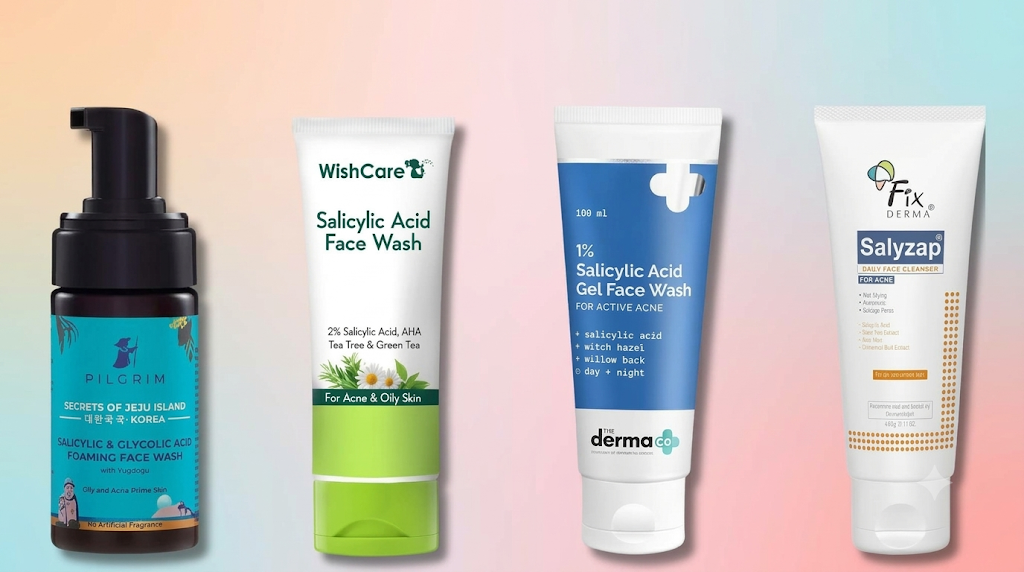
Pretty packaging tells you almost nothing about what’s inside. A bottle can promise glowing, clear, refreshed skin, but the ingredient list is where the real answer is.
Salicylic acid is common in cleansers for oily and acne-prone skin. It gets inside the pores, exfoliates, and reduces the buildup that leads to blackheads.
If your skin feels dry after washing, look for glycerin. It pulls in water and helps your skin hold on to moisture. Ceramides are another good one because they support your skin’s natural protective barrier.
Niacinamide is everywhere these days, and for good reason. It supports the skin barrier and may help with excess oil and uneven-looking skin tone.
Here’s a quick cheat sheet:
| Ingredient | Why It’s Used | Suitable For |
|---|---|---|
| Salicylic Acid | Helps unclog pores | Oily and acne-prone skin |
| Glycerin | Helps retain moisture | Dry and normal skin |
| Hyaluronic Acid | Supports hydration | Dry and dehydrated skin |
| Ceramides | Support the skin barrier | Dry and sensitive skin |
| Niacinamide | Supports skin balance | Oily and combination skin |
| Aloe Vera | Gives a soothing feel | Various skin types |
You don’t need a face wash with all of these. Pick the one that fits your biggest concern.
3. Choose a Texture You’ll Enjoy Using
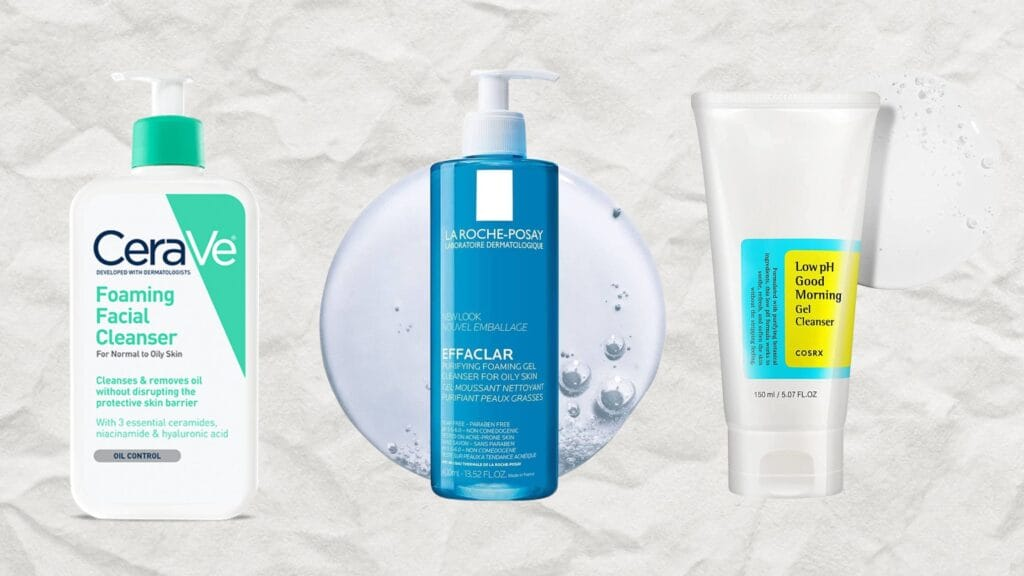
How a cleanser feels matters more than you’d think, because you’ll be using it every day. Some people love a fresh, cooling gel. Others prefer a creamy wash that doesn’t leave their skin feeling stripped.
Gel face washes are popular with oily and combination skin because they’re light. Cream cleansers tend to suit dry skin, since they feel softer and gentler.
Foaming cleansers feel refreshing, but more foam doesn’t mean a better clean. Some can be too drying for sensitive skin, so check the formula instead of judging by the bubbles.
Micellar water is also handy when you want to take off light makeup or sunscreen before your regular cleanser.
In the end, the best formula is the one that cleans your face and leaves it feeling comfortable.
4. Match the Cleanser to Your Skin Concerns
Skin type is only half the picture. Think about what bothers you most.
If you keep getting clogged pores or blackheads, a salicylic acid cleanser is worth trying. But if you already use exfoliating serums or acne treatments, adding more actives can easily lead to irritation.
For dry, rough skin, a gentle hydrating wash is almost always better than a strong oil-control one.
If your main worry is dull-looking skin, start with a cleanser that properly removes everyday dirt, sweat, and sunscreen. A face wash can’t erase pigmentation or replace other treatments, but good, gentle cleansing is the foundation of healthy-looking skin.
And if your skin is sensitive, keep things simple. Skip unnecessary fragrance and pick something mild that feels good on your face.
5. Mistakes to Avoid When Buying Face Wash
Many people switch cleansers every few days because they want quick results. The problem is that you never find out what’s actually working.
Another common mistake is choosing a cleanser because it strips oil fast. Your face shouldn’t feel extremely tight or dry after washing. If it does, the product is likely too harsh for you.
Also be careful about buying something just because it’s trending. An influencer’s skin, routine, and climate may be very different from yours.
And don’t use a face scrub and an exfoliating cleanser together too often. Over-exfoliating is a quick way to end up with irritated skin.
A small tip: before you buy, read reviews from people with the same skin type as yours. They’ll tell you more about texture, fragrance, and day-to-day performance than the product page will.
6. How to Check a Face Wash Before Buying Online
Simple tips for smarter skincare shopping.
Choose a cleanser for your skin type.
Read more
Gel cleansers may suit oily skin. Cream cleansers may suit dry skin.
Check the product formula.
Read more
Look for glycerin, ceramides or salicylic acid according to your needs.
Read customer feedback.
Read more
Check texture, fragrance and irritation reviews.
Compare prices and offers.
Read more
Compare the price per 100 ml before ordering.
Choose a trusted seller.
Read more
Check seller ratings, expiry dates and product authenticity.
7. Use Your Face Wash the Right Way
Even a great cleanser can feel bad if you use too much or scrub too hard.
Wet your face with lukewarm water. Take a small amount of face wash and massage it gently with your fingertips. Don’t rub hard, especially around the eyes and cheeks.
Rinse well and pat your face dry with a clean, soft towel.
For most people, washing twice a day is enough. If your skin is very dry or sensitive, a gentler morning routine might feel better. Follow the product instructions and adjust based on how your skin responds.
After cleansing, apply a moisturizer that suits your skin, and in the daytime, finish with a broad-spectrum sunscreen.
If you wear heavy makeup or water-resistant sunscreen, remove it first with a makeup remover or a first cleanser, then follow with your regular face wash.
FAQ’s
Q1. How do I choose the best face wash for my skin type?
Choose a cleanser according to your skin type, whether oily, dry, sensitive, combination, or normal.
Q2. Which face wash is best for oily skin in 2026?
A lightweight gel cleanser with salicylic acid can be a good option for oily and acne-prone skin.
Q3. Which face wash is suitable for dry skin?
Choose a gentle hydrating cleanser containing glycerin, ceramides, or hyaluronic acid.
Q4. How often should I wash my face?
Most people can wash their face twice daily, depending on their skin type and needs.
Q5. Is a foaming face wash good for sensitive skin?
Some foaming cleansers are gentle, but fragrance-free formulas designed for sensitive skin are often a safer starting point.