Winter can be tough on your skin, especially when cold winds, low humidity and indoor heating leave your face feeling dry and uncomfortable. You might notice tightness after washing your face, rough patches around your nose or cheeks, and makeup that doesn’t sit as smoothly as it does in warmer months. Even if you follow the same routine all year, your skin may need a little extra care in winter, and a good toner can be a simple way to give it that extra hydration.
One product that can make a real difference is a good face toner. The right toner adds hydration, supports your skin barrier and gets your skin ready for moisturiser. But not every toner works well in cold weather. Some formulas contain strong ingredients that can leave dry or sensitive skin feeling even worse.
Choosing the best face toner for winter skincare in 2026 mostly comes down to knowing your skin type, checking the ingredients and finding a formula that gives gentle hydration. Here is what to look for before adding a new toner to your winter routine.
Why Should You Use a Face Toner During Winter?
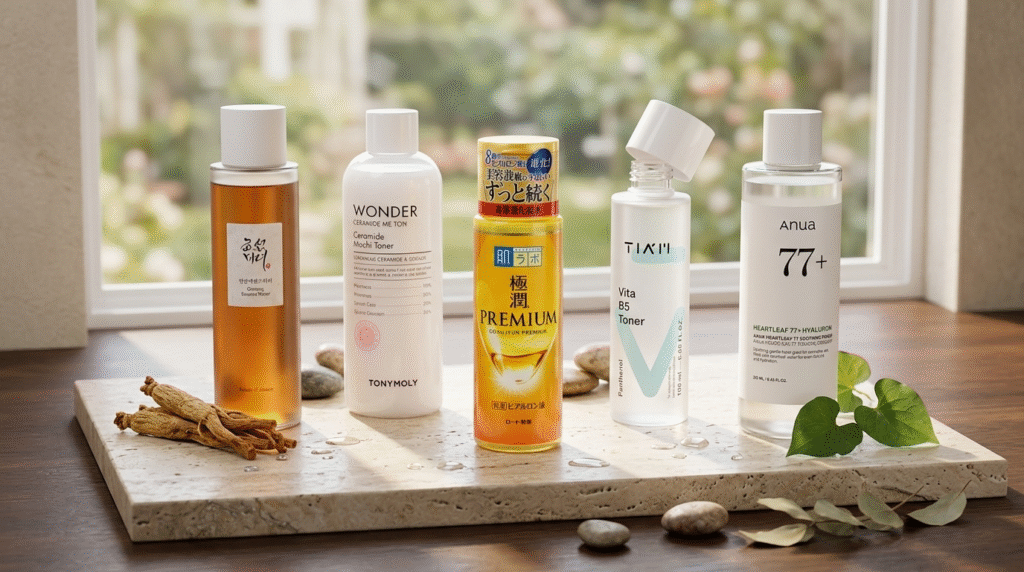
A face toner is a lightweight skincare product that you apply after cleansing and before moisturiser. Modern toners do more than just refresh the skin. Many are designed to hydrate, soothe irritation and support the skin’s natural moisture barrier.
In winter, your skin loses moisture faster because of cold air and low humidity. A hydrating toner can ease that dry feeling and make your skin more comfortable.
For example, if your face feels tight right after washing, applying a gentle toner while your skin is still slightly damp can add moisture before your serum or moisturiser.
A suitable winter toner can help with:
- Adding hydration to dry and dehydrated skin.
- Making rough skin feel softer.
- Supporting the skin barrier.
- Reducing the tight feeling after cleansing.
- Preparing skin for moisturiser and other skincare products.
Keep in mind that toner is not a replacement for moisturiser. It works best as one step in a complete skincare routine.
Understand Your Skin Type Before Buying a Winter Toner

Before looking at brands or prices, think about how your skin behaves in colder months. A toner that works well for oily skin may not give enough moisture to someone with dry skin.
1. Dry Skin
Dry skin often feels tight, flaky or rough in winter. If that sounds familiar, choose a hydrating toner with ingredients like hyaluronic acid, glycerin, panthenol or ceramides.
These ingredients help attract or hold on to moisture and support the skin barrier. Creamy or slightly thicker toners may also feel more comfortable than watery ones.
2. Oily Skin
Oily skin still needs hydration in winter. In fact, using harsh products to remove excess oil can leave your skin feeling uncomfortable.
Go for a lightweight, non-greasy toner with glycerin, niacinamide or soothing ingredients. Avoid formulas that leave your skin dry or stretched.
3. Combination Skin
Combination skin can feel oily around the forehead, nose and chin while the cheeks turn dry. A balanced, alcohol-free hydrating toner is usually a practical choice.
You can also apply a little extra toner to the dry areas without adding too much to the oily ones.
4. Sensitive Skin
Sensitive skin may react to fragrance, essential oils, strong exfoliating acids and high concentrations of active ingredients.
Look for a simple, fragrance-free toner with soothing ingredients like panthenol, centella asiatica or allantoin. Introduce new products slowly and watch how your skin responds.
Check the Ingredients in Your Winter Face Toner
Ingredients matter more than fancy packaging or popular product claims. When choosing the best hydrating toner for winter, read the label and look for ingredients that suit your skin’s needs.
Hyaluronic Acid
Hyaluronic acid attracts water and keeps the skin hydrated. It is a popular ingredient in toners for dry and dehydrated skin.
For better comfort, apply a hyaluronic acid toner to slightly damp skin and follow it with a moisturiser.
Glycerin
Glycerin is a useful everyday ingredient for winter skincare. It attracts moisture and helps keep the skin soft.
It generally suits most skin types and is often found in affordable hydrating toners.
Ceramides
Ceramides are naturally present in the skin barrier. Products containing ceramides can help support the barrier and reduce moisture loss.
If your skin turns rough or uncomfortable in winter, a toner with ceramides may be worth considering.
Niacinamide
Niacinamide, also known as vitamin B3, can help support the skin barrier and improve the look of uneven skin tone. It may also help manage excess oil.
If you have sensitive skin, start with a gentle formula instead of jumping straight to a product with a high concentration.
Panthenol
Panthenol is known for its moisturising and soothing properties. It is a good ingredient to look for if your skin feels irritated or dry in cold weather.
Ingredients to Avoid or Use Carefully During Winter
1. Alcohol-Based Ingredients
Products with high amounts of alcohol can make winter skin feel dry and tight. Choose gentle, alcohol-free formulas when possible.
2. Strong Fragrances
Heavy fragrances may irritate sensitive or already dry skin. Fragrance-free skincare is a better choice for easily irritated skin.
3. Harsh Exfoliants
Rough scrubs and frequent exfoliation can damage the skin barrier. Use mild exfoliants less often during winter.
4. High-Concentration Retinol
Strong retinol products may cause peeling, redness and dryness. Start with a low concentration and use a good moisturiser.
5. Strong AHA and BHA Acids
Glycolic acid, salicylic acid and other exfoliating acids can increase dryness when overused. Reduce their frequency if your skin feels sensitive.
6. Harsh Cleansing Ingredients
Strong cleansing agents can strip away natural oils. Choose a gentle, moisturising cleanser to keep your skin comfortable.
Choose the Right Toner Texture for Winter
Texture affects how comfortable a toner feels on your skin. In winter, many people prefer formulas that give more moisture without feeling heavy.
Watery toner: This lightweight option suits people who like a fresh, non-sticky finish. It can work well for oily and combination skin when it contains hydrating ingredients.
Milky toner: Milky formulas usually feel more nourishing and can be a comfortable choice for dry skin in cold weather.
Gel-based toner: Gel textures strike a balance between light application and hydration. They may suit people who dislike heavy skincare products.
The best texture is the one that feels comfortable and doesn’t leave your face sticky, greasy or irritated.
How to Use a Face Toner in Your Winter Skincare Routine

Even a good toner may not give the results you expect if you use it the wrong way. A simple routine is often enough to keep your skin comfortable in winter.
Step 1: Cleanse Your Face Gently
Start with a mild cleanser that removes dirt, sunscreen and excess oil without making your skin feel tight. Avoid very hot water, as it can increase dryness.
Step 2: Apply Your Toner
After cleansing, take a small amount of toner in your palms or on a soft cotton pad. Gently press it over your face, avoiding the eyes.
Using your hands can reduce product waste and save your skin from unnecessary rubbing.
Step 3: Apply Serum If Needed
If your routine includes a hydrating serum, apply it after toner. You don’t need multiple serums every day. Choose products based on your skin concerns.
Step 4: Use a Moisturiser
Follow with a suitable moisturiser to help lock moisture into your skin. People with dry skin may prefer a richer cream, while oily skin may feel better with a lightweight lotion.
Step 5: Apply Sunscreen in the Morning
Winter sunshine can still expose your skin to UV rays. Finish your morning routine with a broad-spectrum sunscreen of SPF 30 or higher, and reapply when needed, especially if you spend time outdoors.
Common Mistakes to Avoid When Using a Winter Toner

A few small changes can make your winter skincare routine more comfortable. Avoid these common mistakes:
Using an alcohol-heavy toner: If a toner makes your skin feel very tight, it is probably not right for daily winter use.
Applying too much product: More toner doesn’t automatically mean better hydration. Start with a small amount and adjust if needed.
Skipping moisturiser: Toner adds hydration, but moisturiser helps reduce moisture loss. Don’t leave it out just because your face feels fresh after toner.
Trying several new products together: If you introduce many products at once, it becomes hard to tell what is causing irritation. Add new products one at a time.
Ignoring skin reactions: Redness, burning, itching or lasting irritation are signs to stop using the product and rethink your routine.
Budget vs Premium Winter Toners: What Should You Choose?
A higher price doesn’t always mean better results. Affordable toners can work very well if they contain suitable ingredients and match your skin type.
| Feature | Budget Toner | Premium Toner |
|---|---|---|
| Price | Usually affordable | Often more expensive |
| Ingredients | Basic hydrating ingredients | May include additional skincare ingredients |
| Packaging | Usually simple | Often more elaborate |
| Best for | Everyday hydration | People seeking specific formulations |
| What to check | Ingredient list and skin compatibility | Ingredient list, claims and value |
Instead of buying a toner because it is popular or expensive, compare the ingredients, quantity and overall formula. A simple glycerin-based toner may do more for your skin than a premium product full of ingredients you don’t need.
How to Choose the Best Winter Toner in 2026
01
Know Your Skin Type
Identify whether your skin is dry, oily, combination or sensitive. Choose a toner that matches your skin’s needs.
02
Check Hydrating Ingredients
Look for glycerin and hyaluronic acid to help attract moisture and keep your skin hydrated.
03
Choose Gentle Formulas
Sensitive skin usually benefits from fragrance-free toners with gentle ingredients.
04
Avoid Tightness and Dryness
Choose a toner that leaves your face comfortable. Avoid products that make your skin feel tight or dry.
05
Match Your Skincare Routine
Make sure your toner works well with your cleanser, serum and moisturiser.
06
Read the Product Label
Check the ingredient list, instructions and product details instead of relying only on advertisements.
07
Do a Patch Test
Test the toner on a small area first. Wait 24–48 hours and check for irritation before regular use.
08
Consider Your Local Climate
Dry winter weather may require a richer hydrating routine, while humid conditions may suit a lightweight toner.
Know Your Skin Type
Identify whether your skin is dry, oily, combination or sensitive. Choose a toner that matches your skin’s needs.
Check Hydrating Ingredients
Look for glycerin and hyaluronic acid to help attract moisture and keep your skin hydrated.
Choose Gentle Formulas
Sensitive skin usually benefits from fragrance-free toners with gentle ingredients.
Avoid Tightness and Dryness
Choose a toner that leaves your face comfortable. Avoid products that make your skin feel tight or dry.
Match Your Skincare Routine
Make sure your toner works well with your cleanser, serum and moisturiser.
Read the Product Label
Check the ingredient list, instructions and product details instead of relying only on advertisements.
Do a Patch Test
Test the toner on a small area first. Wait 24–48 hours and check for irritation before regular use.
Consider Your Local Climate
Dry winter weather may require a richer hydrating routine, while humid conditions may suit a lightweight toner.
FAQ’s
1. Why should I use a face toner in winter?
A face toner helps hydrate the skin, reduce dryness and prepare it for moisturiser.
2. Which face toner is best for dry skin in winter?
Choose a hydrating toner with ingredients like hyaluronic acid, glycerin, aloe vera or ceramides.
3. Can I use face toner every day in winter?
Yes, you can use a gentle, alcohol-free toner daily if your skin tolerates it.
4. Is an alcohol-free toner better for winter skincare?
Yes, alcohol-free toners are generally gentler and help avoid unnecessary dryness.
5. Which toner ingredients should I avoid in winter?
Avoid harsh alcohols, strong fragrances and excessive exfoliating acids if your skin is dry or sensitive.