Smart home are getting more practical, comfortable and easier to manage. A few years ago, controlling lights from a phone or asking a voice assistant to play music felt like a luxury. Today, smart technology is part of everyday household life, from adjusting room temperature to watching security cameras and keeping an eye on electricity use.
In 2026, smart home technology is about more than convenience. Homeowners want devices that save energy, improve safety, reduce daily effort and work smoothly with one another. Artificial intelligence, connected appliances, smart sensors and better home automation systems are changing how people live in their homes.
For example, imagine coming home on a hot afternoon and finding that your air conditioner has already cooled the room. Your smart lights switch on by themselves, and a connected security system confirms that everything is safe. These small improvements show how technology is making everyday tasks easier and creating a more comfortable digital life.
If you are planning to upgrade your home or just want to know what’s new, here are the best smart home technology trends to watch in 2026.
AI-Powered Smart Home Automation
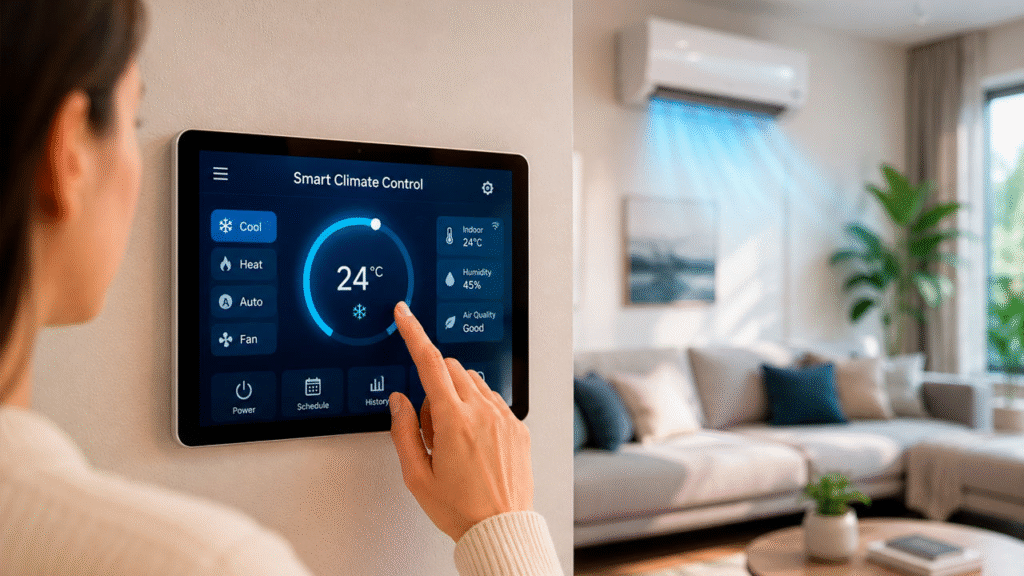
Artificial intelligence is becoming a big part of modern smart homes. Traditional automation follows fixed instructions, like switching on a light at a set time. AI-powered systems can go a step further by learning household routines and adjusting settings based on daily habits.
For example, an intelligent home system may learn when family members usually wake up, leave for work or come back home. It can then adjust lighting, heating and cooling to match those patterns.
AI-powered home automation can help with:
- Learning everyday household routines.
- Adjusting room temperature automatically.
- Managing connected lights and appliances.
- Sending useful alerts about unusual activity.
- Reducing unnecessary energy use.
The biggest advantage is that homeowners don’t have to control every device by hand. That said, it is important to check privacy settings and understand what information a connected system collects.
Matter-Compatible Smart Home Devices

A common problem with smart home devices is compatibility. A smart bulb from one company may not work properly with a hub or app from another brand, which makes managing multiple devices frustrating.
Matter is designed to help smart home products work together more easily across supported platforms. It is an important step for people who want to build a connected home without depending on a single manufacturer.
In 2026, Matter-compatible products are still worth watching, especially in categories like smart lighting, door locks, sensors, switches and thermostats.
Before buying a device, check its Matter certification, supported features and compatibility with your existing smart home platform. Not every feature works automatically across every ecosystem.
Smart Security Cameras and Video Doorbells
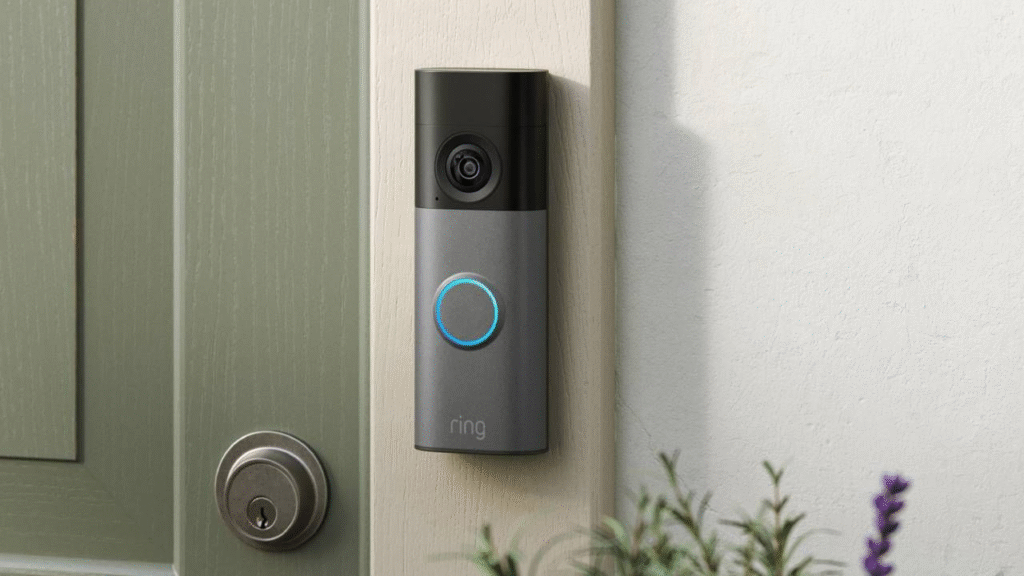
Home security is another area where smart technology makes everyday life easier. Smart security cameras, video doorbells and connected door locks let homeowners keep an eye on their property through mobile apps.
For instance, if someone rings your doorbell while you are away, a video doorbell can send a notification to your phone. Depending on the device, you may be able to see the visitor and talk to them through two-way audio.
Some useful smart security features include:
- Motion detection and instant notifications.
- Night vision for low-light monitoring.
- Two-way communication.
- Live video access through mobile apps.
- Smart door locks with digital access options.
These devices can be especially useful for families who travel often or want to keep track of deliveries. Still, choose products with strong security settings, regular software updates and clear data storage policies.
Energy-Efficient Smart Home Systems
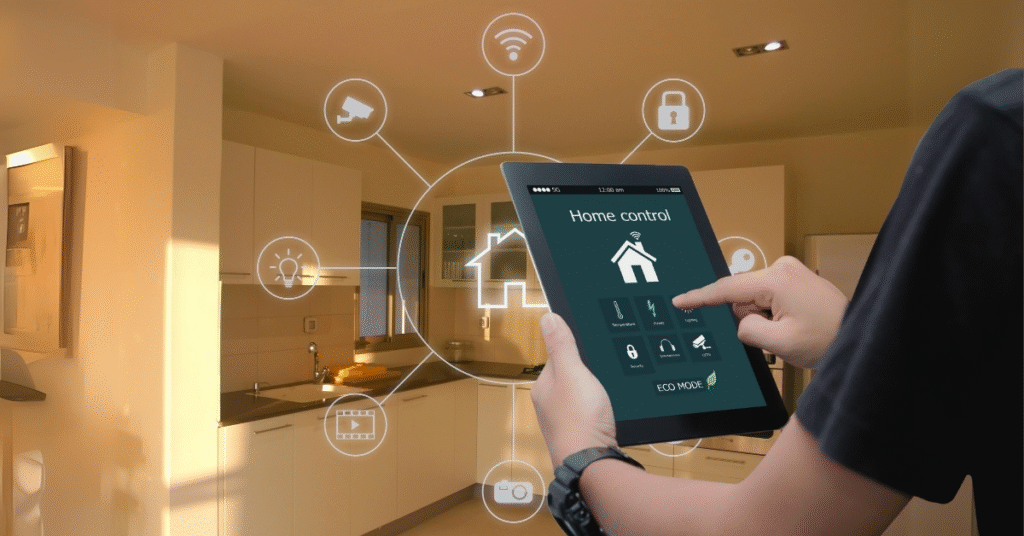
Electricity bills are a worry for many households, especially in summer when air conditioners, coolers and refrigerators run for long hours. Smart energy management systems are becoming useful because they help homeowners understand and control how much power they use.
These systems can track energy usage and point out appliances that consume more power. Some smart plugs also let users switch off connected devices remotely.
Popular smart energy solutions include:
- Smart electricity meters that track power consumption.
- Smart plugs that help control connected appliances.
- Intelligent thermostats that manage cooling.
- Solar monitoring systems that track electricity generation.
- Automated lighting that switches off when rooms are empty.
For Indian households, combining rooftop solar panels with smart energy monitoring can make managing electricity more convenient. Smart plugs can also help you avoid leaving televisions, chargers and other appliances running for no reason.
Voice-Controlled Smart Home Assistants
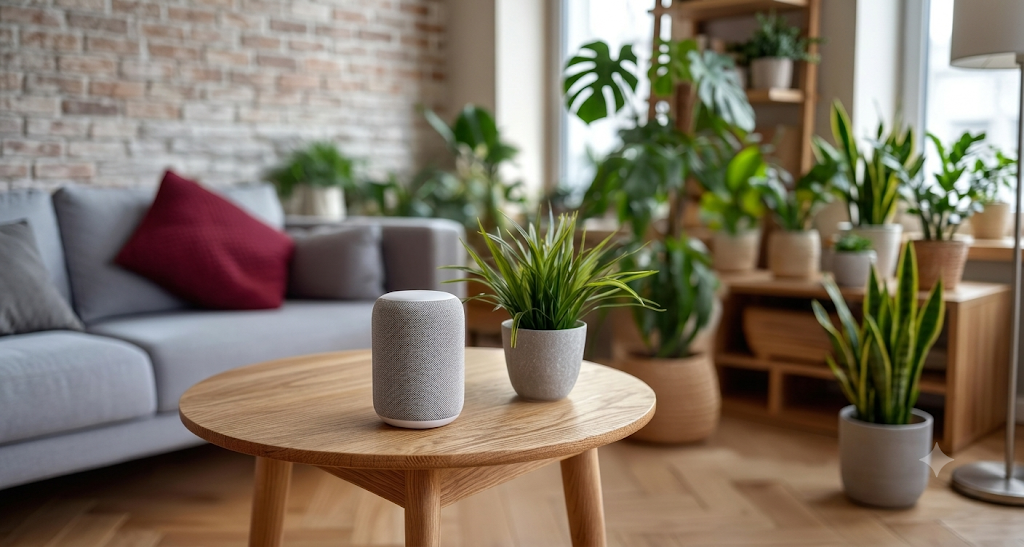
Voice assistants remain a convenient way to interact with connected home devices. Instead of opening separate apps, users can give simple voice commands to control compatible lights, speakers, fans and other appliances.
For example, while cooking dinner, you can ask your voice assistant to switch on the kitchen lights or play your favourite music. At bedtime, one command can turn off selected lights and start a night-time routine.
In 2026, the focus is shifting towards more natural conversations and better coordination between connected devices.
Some popular uses include controlling smart appliances, setting reminders, checking the weather, playing music and creating daily automation routines.
However, voice assistants work best when they support your preferred language and understand your household’s needs. Check language support and device compatibility before buying one.
Smart Appliances with AI Features
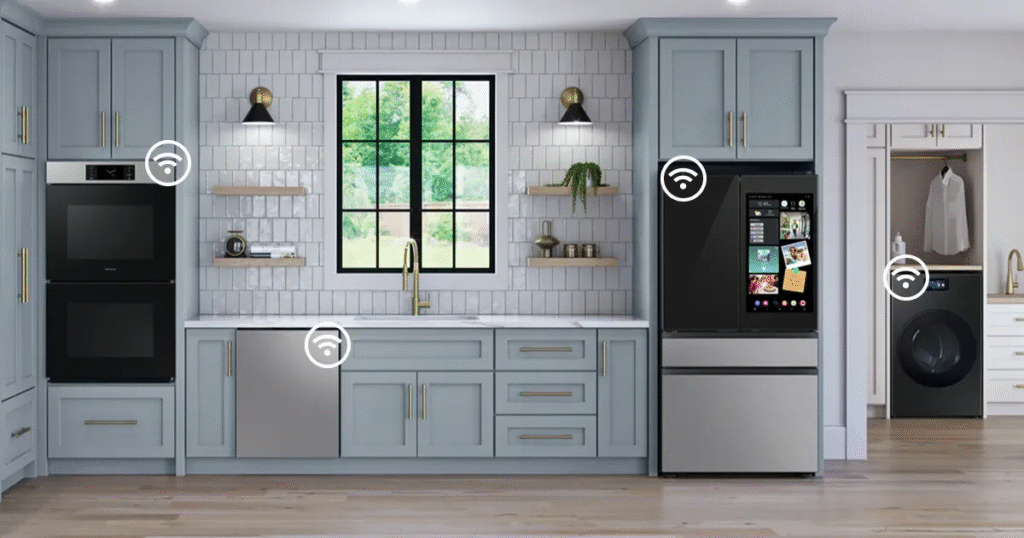
Smart appliances are getting more advanced, bringing connected technology into kitchens, laundry areas and daily household routines. Refrigerators, washing machines, air conditioners and robot vacuum cleaners are gaining features that make running a home easier.
For example, a smart washing machine may offer different wash settings based on fabric type and load size. Some connected refrigerators help users keep track of stored food, while smart air conditioners let you control the temperature from a mobile app.
In India, brands are increasingly exploring AI-enabled appliances and connected home ecosystems. LG, for example, has highlighted AI-powered appliances and its ThinQ ecosystem as part of its AI Home vision.
Before spending on expensive appliances, think about whether the smart features will actually be useful in your daily routine. A reliable washing machine with useful automation may offer more value than an appliance packed with features you rarely use.
Smart Lighting and Adaptive Home Environments

Lighting has a direct effect on how a room looks and feels. Smart lighting systems let homeowners change brightness, colour temperature and schedules through an app or voice command.
For instance, bright lighting is useful while working from home, whereas warm lighting creates a more relaxed mood in the evening. Motion sensors can also turn lights on when someone enters a room and switch them off once the space is empty.
Some interesting smart lighting features include:
- Adjustable brightness and colour temperature.
- Scheduled lighting for different times of the day.
- Motion-activated lights for hallways and bathrooms.
- Remote control through smartphones.
- Lighting scenes for reading, relaxing and entertainment.
These systems can be especially helpful in homes where different family members like different lighting.
Smart Sensors for Water, Air Quality and Safety
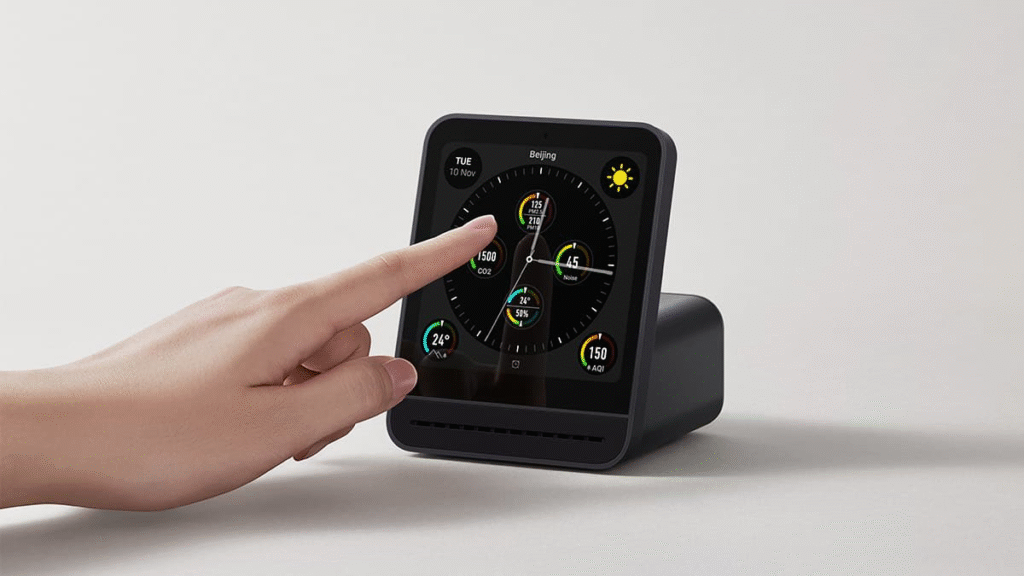
Smart home technology is also moving beyond entertainment and convenience. Sensors that monitor indoor air quality, water leaks, smoke and temperature are becoming valuable additions to connected homes.
A water leak sensor placed near a washing machine or kitchen sink can send an alert when it detects unwanted moisture. Similarly, an indoor air quality monitor can help homeowners notice changes in their living environment.
Useful smart sensors include:
- Water leakage detectors for kitchens and bathrooms.
- Smoke and carbon monoxide alarms.
- Indoor air quality monitoring devices.
- Temperature and humidity sensors.
- Motion and occupancy sensors.
These devices can give early warnings about household problems. However, smart alerts should support proper safety equipment, not replace certified smoke alarms, electrical protection or regular maintenance.
Home Robots and Automated Cleaning Devices

Robotic cleaning devices are becoming more capable and convenient for everyday home upkeep. Robot vacuum cleaners can move around rooms, detect obstacles and clean on a schedule. Some advanced models also mop and empty their own dust bins.
For busy families, these devices can cut down the time spent on routine floor cleaning. You can schedule cleaning while you are at work or when everyone is out.
Other developments in home robotics include automated lawn-care equipment and experimental home robots designed to help with household tasks.
Fully autonomous household robots are still being developed, but automated cleaning devices already offer practical benefits. Before buying one, check battery life, mapping accuracy, cleaning performance and whether it can handle your type of flooring.
Better Privacy and Cybersecurity for Connected Homes
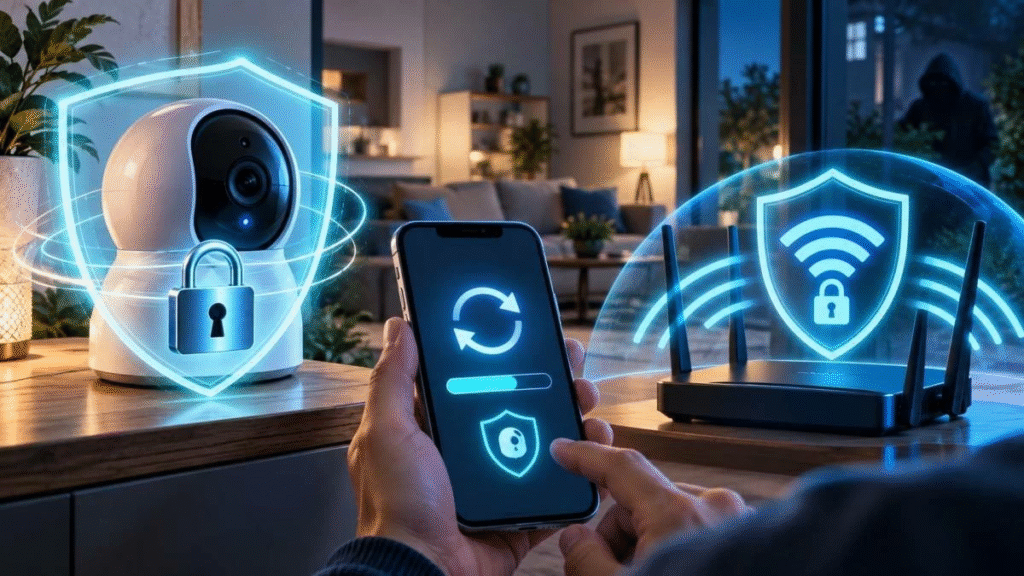
As more household devices connect to the internet, protecting personal information becomes more important. Smart cameras, door locks, speakers and appliances may collect information about how people use their homes.
A poorly secured device can create unnecessary privacy risks, which is why cybersecurity is becoming an important part of smart home technology.
Homeowners should follow a few basic practices:
- Use strong and unique passwords for smart devices.
- Turn on two-factor authentication when available.
- Install software and firmware updates regularly.
- Avoid connecting unfamiliar devices to the home network.
- Review camera permissions and cloud storage settings.
- Choose manufacturers that provide ongoing security support.
A smart home should make everyday life easier without putting personal information at risk.
Thread Technology and Faster Device Connectivity
Reliable connectivity is essential when several smart devices work together. Thread technology is gaining attention because it uses a low-power mesh network that lets compatible devices communicate with one another.
Instead of relying on a single device to hold every connection, a Thread network can pass communication between supported devices. This can improve reliability and make battery-powered sensors more practical.
Thread is especially useful for smart door locks, motion sensors, temperature sensors and other low-power devices. Combined with Matter, it can help create a more connected smart home.
How to Choose the Right Smart Home Technology in 2026
You don’t need to buy every new smart device. Choose products that make daily life easier and fit your budget.
Make sure new devices work with your existing smart home system.
Choose useful features instead of spending money on unnecessary options.
Look for energy-efficient devices that help reduce power use.
Choose devices with regular updates and good privacy settings.
Make sure your internet connection supports the devices.
Check installation fees, subscriptions and maintenance costs.
Check power requirements, after-sales service and mobile app support before buying.
FAQ’s